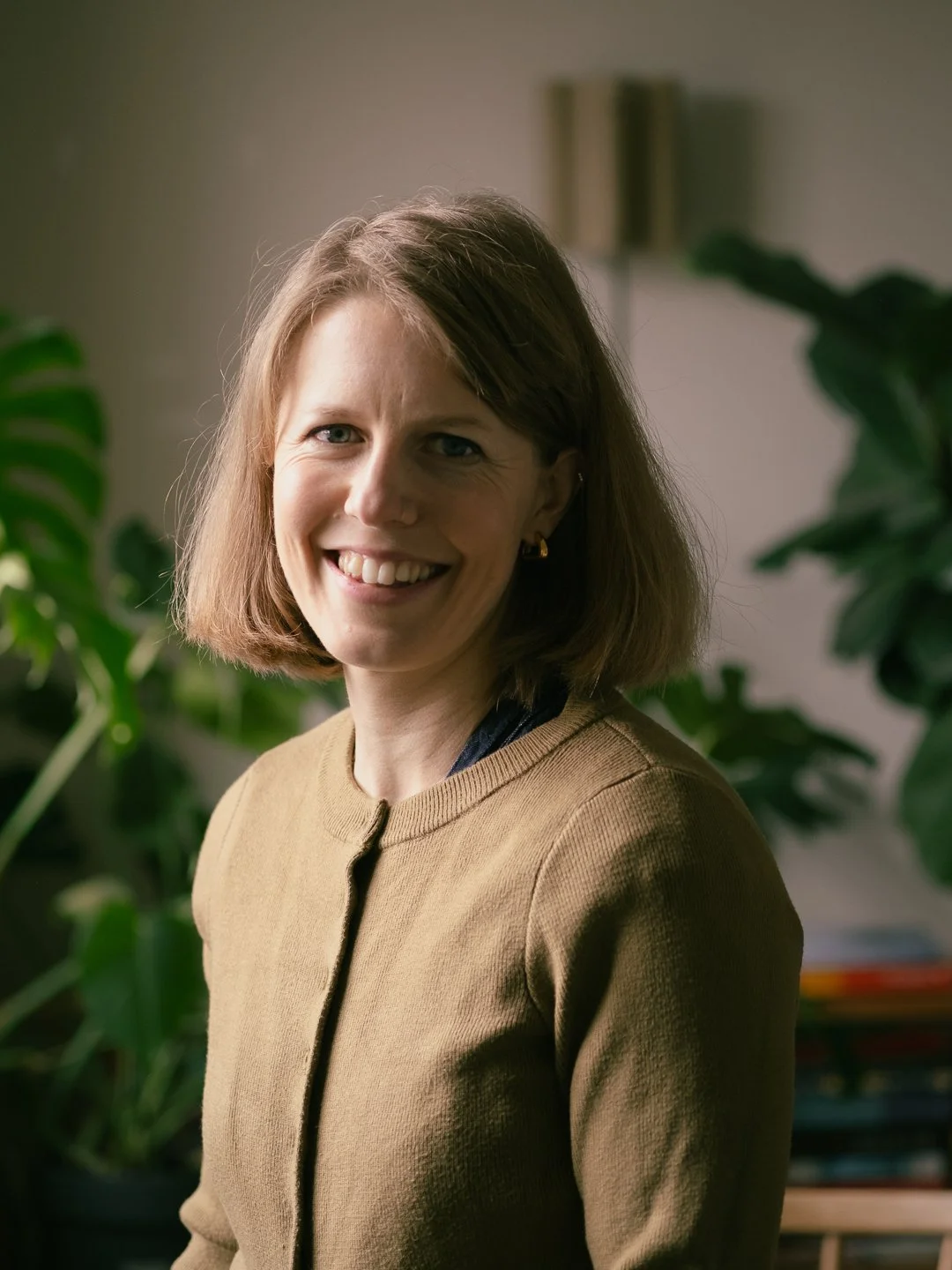
Annabel Jones
Family & Systemic Psychotherapist, CBT therapist
What I offer
My name is Annabel, and I’m a CBT and family & systemic psychotherapist working across the lifespan—from adolescents to older adults- specializing in supporting individuals and families experiencing difficulties due to what is usually termed as bipolar and psychosis. You may be an individual, needing help with the distress caused by such experiences- or you may have another difficulty, but want to be assured that the clinician you see understands this aspect of your experience. You may be a family or couple, wanting a better relationship, or seeking to support a loved one.
I come with a broad range of experience and skills, having worked in CAMHS and adult public mental health services for over 10 years. This means that I am able to provide therapy for a broad range of difficulties and needs- so if you like the sound of my approach, please do get in touch and enquire!
A bit about how I work & what to expect
When we first meet, I take a broad view—looking not just at the immediate concerns, but at the wider context of your life, relationships, and history. I believe most people are doing the best they can with what they know, and that therapy can offer new perspectives, tools, and ways of relating that help move things forward. Your strengths and skills have an important place in therapy.
We’re all shaped by visible and invisible differences—our beliefs, cultures, identities, and lived experiences. Part of my role is to understand how these factors influence the way you see the world, relate to others, and define what a good life looks like for you and your family- to help us find the way forwards.
I tailor therapy to your needs, drawing from a range of evidence-based approaches, while considering your goals and particular circumstances. The process of therapy matters too. For example, I use metaphor, creativity and the power of story, when it fits!
Systemic and family therapy is an umbrella term that includes work focused on relationships between people, and between people and the wider contexts they live in—such as cultural, social, and structural systems. I also offer individual therapy across the lifespan, including individual systemic and cognitive behavioural therapy (I am BABCP registered).
Therapy is always a collaborative process. No two sessions look the same. My role shifts depending on what’s needed. At times I may be a guiding partner in your journey of discovery, at other times I might offer specific skills or ideas, and sometimes I help foster deeper understanding and communication between people.
A bit about me personally…
It may or may not be important to you to know something about me. You may prefer not to know!
But if you would like to know- some of the things I love include cooking, spending time with my friends, reading a good book, running, indoor bouldering, and trying new foods! I love talking to people, having a laugh, and exploring new places- whether that’s my local area, London, the UK or abroad! I’m Australian. I love the sea, and TimTams.
Why am I sharing about myself?
I don’t follow the model of the therapist needing to be a blank slate or a mirror, for you to learn and develop from therapy. I want people coming to me to feel comfortable, and I think knowing a few things about me can help that rather than get in the way. Please let me know if there is anything else I can do to make you and your family comfortable!
My qualifications
I hold a Master’s in Family & Systemic Psychotherapy (King’s College), Postgraduate Diploma in Cognitive Behavioural Therapy (King’s College), and a Master’s of Nursing Science (University of Melbourne).
I am accredited with the UKCP and BABCP.
James Martyn
Cognitive Behavioural Psychotherapist

A bit about how I work and what to expect
My name is James, and I am an experienced cognitive behavioural and interpersonal psychotherapist working with adults. I specialise in supporting people who are living with anxiety or navigating major life transitions.
Modern life places demands on us that our brains weren’t designed for- and we live in increasingly uncertain times. Even the most capable people can find themselves overwhelmed, stuck, or unsure how to move forward. Therapy offers a space to understand what’s happening, learn practical tools, and regain a sense of steadiness.
My approach is collaborative, structured, and evidence based. Together we explore the patterns that are keeping you stuck and develop skills you can use long after therapy ends. I also draw on ideas from other therapeutic models where helpful — therapy should fit you, not the other way around.
Having worked in the inner city for six years, I understand the pressures of fast‑paced urban living: noise, speed, perfectionism, and the constant sense of needing to keep up. Whether you’re adjusting to the city for the first time or feeling worn down by it, we can make sense of it together.
I have personally found these approaches transformative, and I’m committed to helping you feel more grounded, capable, and confident in your daily life.
In our first session, we will develop a shared understanding of what has brought you to therapy and what feels most important to change. We will explore your goals and clarify what you want life to look like. Many people find this first conversation grounding and clarifying. You will leave with a clear sense of how we can work together.
After this initial assessment, I will recommend a time‑limited treatment plan — usually between 6 and 20 sessions — with weekly sessions often being the most effective.
Both CBT and IPT are structured, active therapies. Our sessions will focus on identifying practical, meaningful steps you can take towards the life you want. In CBT, we will look at how your thoughts, emotions, and behaviours interact, and we will experiment with new ways of responding to difficult situations. In IPT, we will look at your relational patterns and communications, and give you new skills and ideas to try. The aim of both therapies is not just insight, but real‑world change.
A key part of our work together is between‑session practice — sometimes called “homework,” though many people prefer to think of it as “trying things out between sessions.” This might include noticing patterns, completing a brief exercise, or testing out a new behaviour. These tasks are always agreed collaboratively and tailored to your goals. They help you build confidence, strengthen new skills, and keep momentum going between sessions.
Therapy with me is not a passive process. I offer feedback, share ideas, and help you make sense of what you’re experiencing. You will also be invited to share how each session felt for you, so we can adjust the work to suit your needs and pace.
My style is collaborative, straightforward, gentle, and encouraging. My aim is to help you feel supported, understood, and equipped with tools that continue to serve you long after therapy
A bit about me personally
My two favourite places are in the kitchen and at the bouldering gym. I’m a proud and deeply invested Ipswich Town supporter. This can be painful at times. I love to eat meat and the best gift I got this year was a Bluetooth meat thermometer. I prefer cats over dogs and tea over coffee.
My qualifications
I hold a Postgraduate Diploma in Cognitive Behavioural Therapy (King’s College), Bachelor’s Degree in Psychology (University of Exeter), Masters in Psychological Research (University of Exeter). I am currently completing additional training in Interpersonal Therapy.
I am accredited with the BABCP.